HEAVY EQUIPMENT SHIPPING GUIDE
Heavy Machinery Transport: Costs, Trailers & Pickup Checklist
By Genius Auto Trans · Published
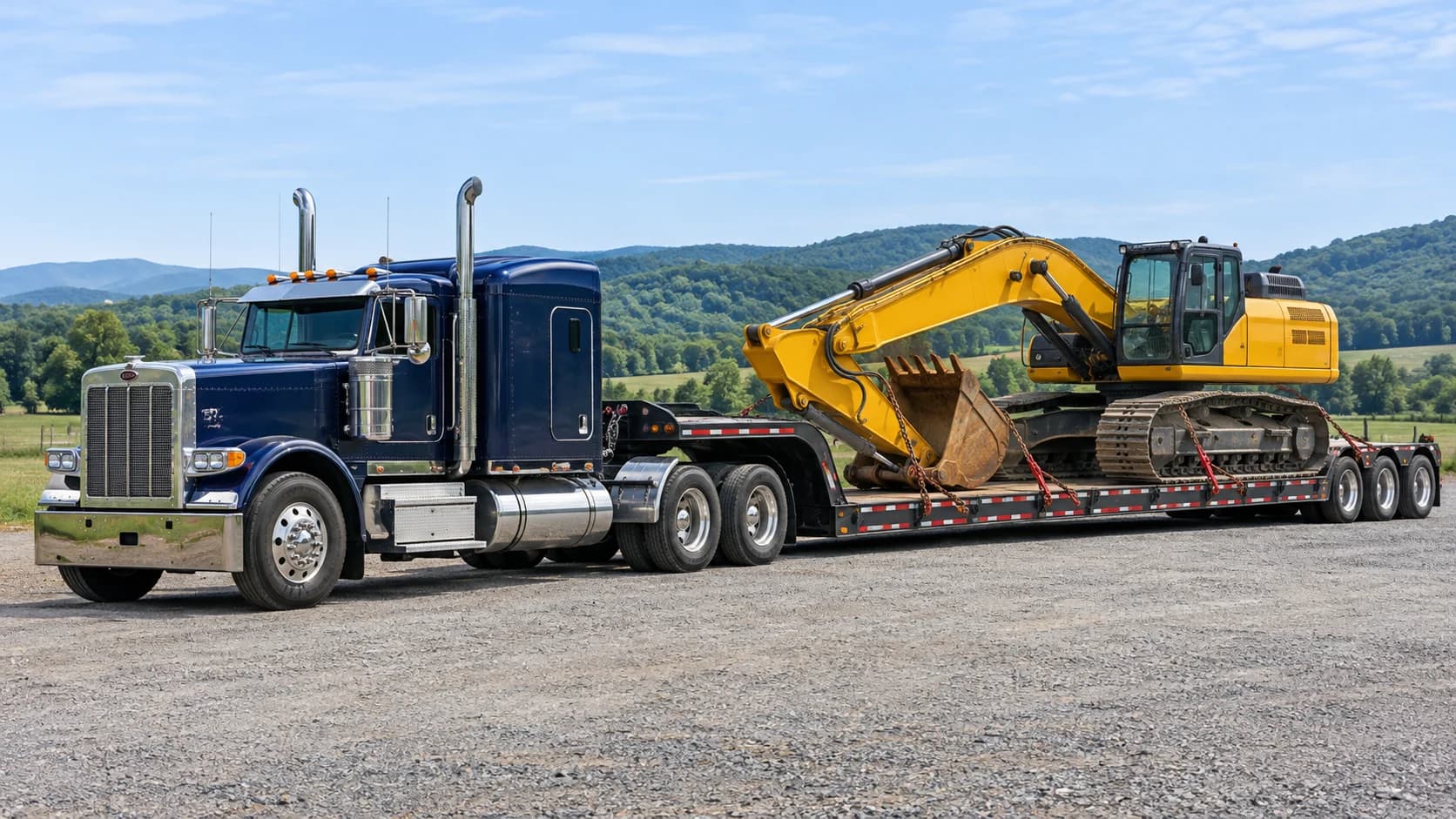
Moving an excavator to a new job site, collecting a skid steer from an auction or relocating farm equipment starts with the same question: what will it take to load, carry and unload this particular machine? Heavy machinery transport needs a plan built around the equipment and both sites.
Based in Manassas, Virginia, Genius Auto Trans coordinates heavy machinery transportation inquiries across the 48 contiguous states and Washington, DC. Each move is reviewed for the equipment, route and available carrier.
What equipment can be considered for transport?
Construction, agricultural and industrial machinery can have very different hauling requirements. Common inquiries include excavators and mini excavators, bulldozers, backhoes, wheel loaders, skid steers, forklifts, telehandlers, tractors, rollers and compactors.
List every item that will travel. An extra bucket, mower deck or pallet of attachments can change deck space and shipment weight. A machine’s model name helps identify it, but measurements and its actual configuration are what make the quote useful.
Which trailer fits heavy machinery?
The carrier selects equipment after reviewing the full load, ground clearance and available loading facilities. Trailer names alone do not establish capacity or suitability.
| Trailer option | Where it may fit | What to confirm |
|---|---|---|
| Flatbed | Compatible compact equipment and attachments. | Loaded height, deck capacity, and a suitable dock, ramps or lifting plan. |
| Step-deck | Loads that benefit from a lower main deck. | Usable deck space, weight distribution and loading access. |
| Lowboy / removable gooseneck (RGN) | Machinery needing a low deck and, where suitable, ground-level drive-on loading. | Machine clearance, trailer configuration, axle weights and room to load. |
What affects heavy equipment shipping cost?
A mileage figure alone cannot price every machine. Two loads traveling the same distance may require different trailers, loading assistance and routes. A complete quote should account for:
- Route and access: the actual pickup and delivery sites, truck access and any routing restrictions.
- Size and weight: the machine’s transport configuration, attachments and required trailer capacity.
- Loading and unloading: whether it can move under its own power or needs agreed winching, lifting or other assistance.
- Scheduling: equipment availability, appointment windows and the flexibility of both locations.
- Additional services: any required permits, escorts, storage, waiting time or lifting equipment.
Ask for a written breakdown of what is included and which changes could create an additional charge. Do not assume a passenger-car estimate applies to an excavator or tractor. Use the machinery transport request form so the team can review the right details.
Prepare these details before requesting a quote
- Machine identity
- Equipment type, year, make, model, serial number or auction lot number, and recent photos.
- Transport measurements
- Length, width and height in the actual transport position, including attachments and modifications.
- Shipment weight
- Actual transport weight with the bucket, counterweights, fuel and all accessories traveling with it. Identify estimated figures.
- Operating condition
- Whether the machine starts, moves, steers and brakes; disclose leaks, locked tracks or missing keys.
- Both sites
- Pickup and delivery addresses, gate width, surface conditions, overhead clearance and space for the full truck.
- Schedule and people
- Ready date, preferred delivery window, site contacts, operating hours and who will load and unload.
Measure safely with the equipment positioned for transport according to the manufacturer’s instructions. If a brochure weight excludes an attachment or a measurement is uncertain, say so. Flagging uncertainty early is more useful than presenting an estimate as confirmed.
Permits, routing and securement
Review the complete truck-and-load configuration before dispatch. In Virginia, the DMV’s hauling permit guidance explains that permits authorize qualifying overweight or overdimensional movements and include routing and travel requirements. Requirements elsewhere must be checked for the jurisdictions on the proposed route.
Ask who is responsible for permits, any escorts and route approval, and confirm the costs in writing. Avoid planning the delivery appointment around a route that has not yet been approved when approval is required.
The FMCSA cargo securement guidance identifies specific rules for wheeled or tracked machinery weighing 10,000 pounds or more. Lighter equipment also requires appropriate securement. The carrier should determine the applicable restraints and loading plan; the owner should supply manufacturer transport information and identify any damaged attachment points.
A practical pickup and delivery checklist
- Confirm release. Make sure the seller, auction or rental yard has authorized collection. Provide release paperwork, lot details and a contact who can resolve access problems.
- Prepare the site. Share photos of the entrance and loading area. Confirm a firm surface, turning room, gate clearance and who will operate the machine.
- Prepare the machine. Follow manufacturer and carrier instructions for transport position, loose parts and attachments. Disclose leaks or defects before pickup day.
- Record condition. Photograph all sides, tracks or tires, attachment points and existing damage. Keep a list of attachments and compare it with the pickup record.
- Review coverage. Request the assigned carrier’s cargo insurance information and ask how the machine’s value, loading and unloading are treated under the applicable coverage.
- Arrange the receiving crew. Confirm unloading access and any required equipment before the truck leaves. Inspect condition and count attachments at delivery, document differences on the delivery record and report concerns promptly.
For a Virginia job-site move, give the coordinator the actual entrance and site contact rather than only a ZIP code. For an interstate move, confirm who can receive the machine if the estimated arrival changes. Weather, permit restrictions and site availability can affect the schedule.
Frequently asked questions
How much does heavy machinery transport cost?
Pricing depends on the complete machine dimensions and weight, route, trailer, loading method, timing and any permits or escorts. Send the machine specifications and both site addresses for a shipment-specific quote.
Can an excavator be shipped with its bucket attached?
Sometimes. The carrier must review the transport configuration, total dimensions, weight and securement requirements. Include the bucket and any additional attachments in your shipment details; confirm whether removal is needed before pickup.
Can you transport non-running heavy equipment?
Non-running machinery may be transportable if suitable loading and unloading arrangements are available. Explain whether it rolls or tracks freely, steers and brakes, and disclose hydraulic or mechanical problems before a truck is assigned.
Does every heavy equipment shipment need a permit?
No. Permit requirements depend on the loaded vehicle configuration and the jurisdictions along the route. A machine may fit a suitable trailer and still require a review of axle weights, overall height, width and length.
Can machinery be picked up from an auction?
Auction collection may be arranged subject to release requirements, access and equipment availability. Provide the lot number, release documents, pickup deadline, yard hours and loading contact before dispatch.
Transport and permit references checked November 4, 2026. Confirm requirements for your specific load and route before booking.
Genius Auto Trans / Your next step
Ready to move your machinery?
Start with your pickup and delivery locations, equipment model and preferred dates. Have measurements, weight and site photos ready for the transport review.