
SHIPPING OPTIONS ·
Is Terminal-to-Terminal Car Shipping Cheaper Than Door-to-Door?
By Genius Auto Trans · 7 minute read
The short answer: Terminal-to-terminal car shipping can cost less on some lanes because the carrier loads and unloads at a storage yard instead of your street. The saving shrinks or disappears once you add two trips to the yards, storage fees after any free days and limited yard hours. Compare both quotes on your exact lane before choosing.
Most shipments start as door-to-door auto transport, where the carrier picks up and delivers as close to your address as a 75- to 80-foot hauler can safely reach. Terminal-to-terminal car shipping is the alternative. This guide shows when that trade is worth making and which costs never appear on the quote.
What is terminal-to-terminal car shipping?
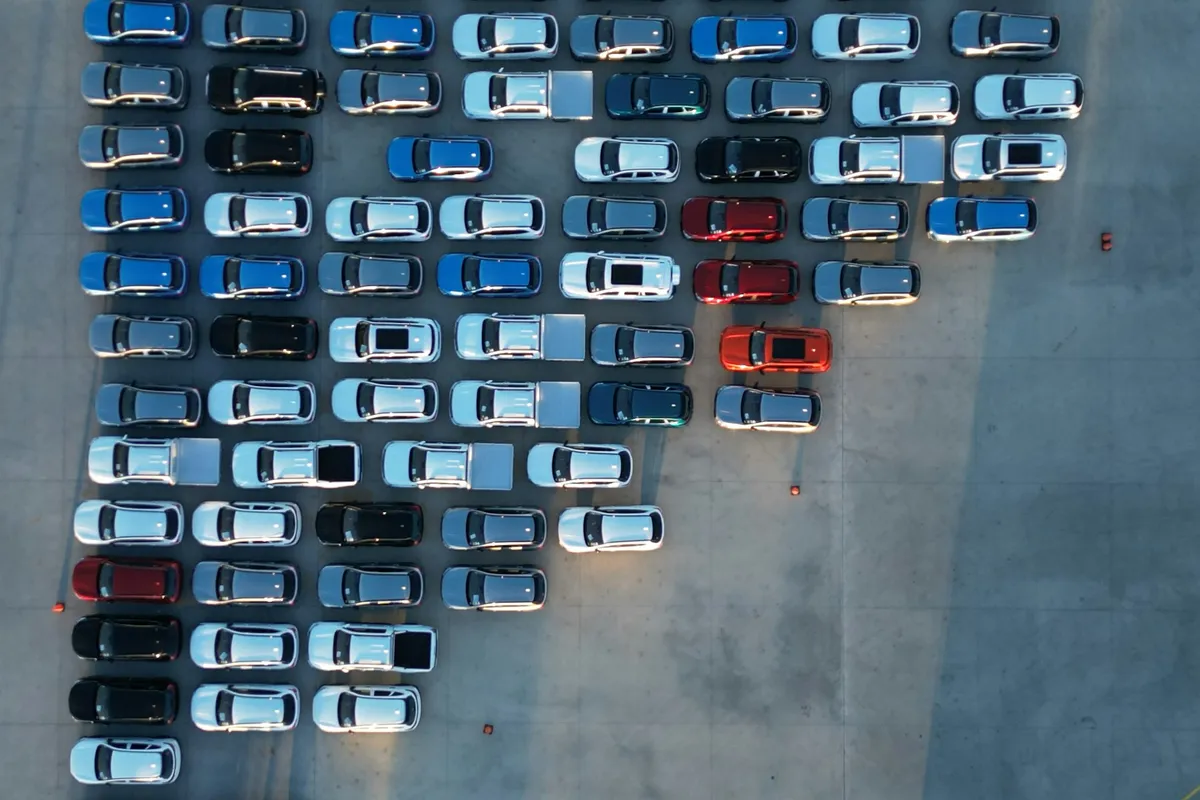
Terminal-to-terminal car shipping means you deliver your vehicle to a storage yard, a carrier moves it to a second yard near your destination, and you collect it there. A terminal is a secured lot where carriers stage vehicles between loads, usually run by a carrier or a storage operator.
A carrier is the motor carrier, with its own FMCSA operating authority, that physically hauls the car. A broker, under federal rules, is a person who, for compensation, arranges or offers to arrange transportation by an authorized motor carrier. Genius Auto Trans, a licensed auto transport broker, USDOT 3674601 / MC 1274912, Manassas, Virginia, quotes both door-to-door and terminal options. Our Manassas office is a correspondence address, not a vehicle yard.
A bill of lading is the document that records the car's condition and the transport terms at each hand-off. Terminal-to-terminal car shipping usually adds hand-offs, so there are more condition records to check.
Is terminal shipping cheaper than door-to-door?
Sometimes. A carrier that skips residential stops saves time, and on some lanes that shows up as a lower terminal-to-terminal car shipping quote. On others the gap is small, and the costs you take on yourself close it. The carrier market sets the price at booking, so the honest test is two quotes for the same car, dates and lane.
| Factor | Door-to-door | Terminal-to-terminal |
|---|---|---|
| Hand-over point | Your address or an agreed nearby meeting point | A yard at each end, during its posted hours |
| Your travel | None, or a short drive to a meeting point | Drop-off and collection trips, plus rides |
| Storage | None; the car goes straight onto the truck | Free days vary by yard; daily fees can follow |
| Timing | Pickup window; the carrier calls ahead | Yard schedule; the car may wait for a full load |
| Condition records | Bill of lading at pickup and delivery | Yard check-in reports plus the carrier's bill of lading |
| Coverage | Carrier's cargo policy in transit | Carrier's policy in transit; ask about the yard's terms while stored |
| Usually best for | Most moves, busy schedules, non-running cars | Flexible owners near a yard on a lane with a real gap |
When does a terminal make sense, and when doesn't it?
A terminal is worth a look when:
- A yard sits within a short drive of both your pickup and delivery addresses.
- Your street bars trucks and you cannot reach a meeting point at a set time.
- You leave town before the pickup window opens.
- The quote gap survives after you subtract fuel, rides, your time and storage fees.
Stay with door-to-door when:
- The nearest yard is a long drive from either end.
- A predictable delivery day matters more than a small saving.
- The car does not run; not every yard accepts inoperable vehicles.
- The vehicle is high-value and you want the fewest hand-offs.
The middle option: when a hauler cannot reach your street, door-to-door often ends at a nearby meeting point agreed before dispatch. Our guide to what happens when the truck can't reach your home covers how that works.
Why can't a car carrier reach every address?
A full multi-car hauler is around 75 to 80 feet long. Federal rules treat automobile transporters as specialized equipment and bar states from setting overall length limits below 65 feet for traditional transporters or 75 feet for stinger-steered units, with front and rear cargo overhang allowed beyond that. Those protections cover the National Network and reasonable-access routes, not every residential street.
That is why door-to-door sometimes ends at a retail lot or wide side street nearby. A terminal makes more sense when no workable meeting point exists. Mention tight streets, steep driveways or gate rules at quote stage; it is the first step in how a booking moves from quote to delivery.
Three terminal-to-terminal planning examples
These are planning scenarios, not customer stories, prices, transit estimates or guarantees.
Virginia to Florida: suburb to suburb
A sedan leaves a Manassas-area home with a wide driveway for a house near Orlando. Carriers run the Virginia to Florida corridor often, and both ends are easy for a hauler. A terminal adds two yard trips for a gap that may be small. Decision: compare both quotes; door-to-door is the likely fit.
Illinois to Arizona: high-rise with no truck access
The owner lives in a downtown Chicago tower whose garage bars trucks, and flies out before the pickup window opens. Options: a meeting point with an authorized friend, or an early yard drop if free storage covers the wait. Decision: price both, and ask about a terminal at the origin end only.
California to Texas: rural origin
A pickup truck starts on a ranch road in rural Northern California and is headed to Houston. The nearest yard is hours away, so terminal-to-terminal car shipping would cost two long round trips. Decision: door-to-door with an agreed meeting point.
Terminal-to-terminal car shipping: FAQs
Is terminal-to-terminal car shipping always cheaper?
No. It can price lower on some lanes because the carrier skips residential stops, but the difference varies by lane and season. Once you add two trips to the yards, rides home and any storage fees after the free period, door-to-door can cost the same or less. Compare both quotes for the same vehicle and dates.
Do car shipping terminals charge storage fees?
Many yards allow a set number of free storage days and charge a daily fee after that, but both the free period and the fee vary by operator. Get both in writing before you drop the car off, and plan your collection so the car does not sit past the free period at the destination yard.
Can someone else drop off or pick up my car at a terminal?
Usually, if you authorize them in advance. Expect the yard to ask for photo ID and the booking reference, and some require a signed release naming that person. Confirm the rule when you book, and give your representative a copy of the bill of lading so they can check the car's condition before signing.
Is terminal-to-terminal safer than door-to-door?
Not inherently. The car rides on the same kind of carrier either way. A terminal adds hand-offs and days parked in a lot, usually outdoors, so there are more condition reports to compare. Door-to-door keeps the car with one carrier from pickup to delivery, which means fewer hand-offs and fewer chances for handling damage.
Can Genius Auto Trans ship to a terminal in Alaska or Hawaii?
No. Genius Auto Trans arranges vehicle transport only within the 48 contiguous states and Washington, DC, whether door-to-door or terminal. We do not arrange shipments to Alaska, Hawaii or international destinations, and we do not arrange port, container or roll-on/roll-off shipping.
Compare door-to-door and terminal on your lane
Tell us the vehicle, both ZIP codes, your earliest date and anything about access at either end. We will quote door-to-door and, where a terminal option exists on your lane, that too, so you can compare real numbers. The price agreed at booking is the price you pay; pickup and delivery are windows, not guaranteed dates. Service covers the 48 contiguous states and DC. Call (800) 780-1113, answered 24/7.
Request my car shipping quote →