
VEHICLE TYPES ·
Pickup Truck Shipping: What Changes When Your Vehicle Is Bigger Than a Sedan?
By Genius Auto Trans · 7 minute read
The short answer: Pickup truck shipping works like car shipping with three extra checks: deck space, weight and height. Most stock pickups and SUVs ride on a standard open carrier. Duallys, heavy-duty trucks, caps, racks and lifts can change which trailer fits. Measure the truck as it sits, read the door-jamb weight label, and empty the bed before pickup.
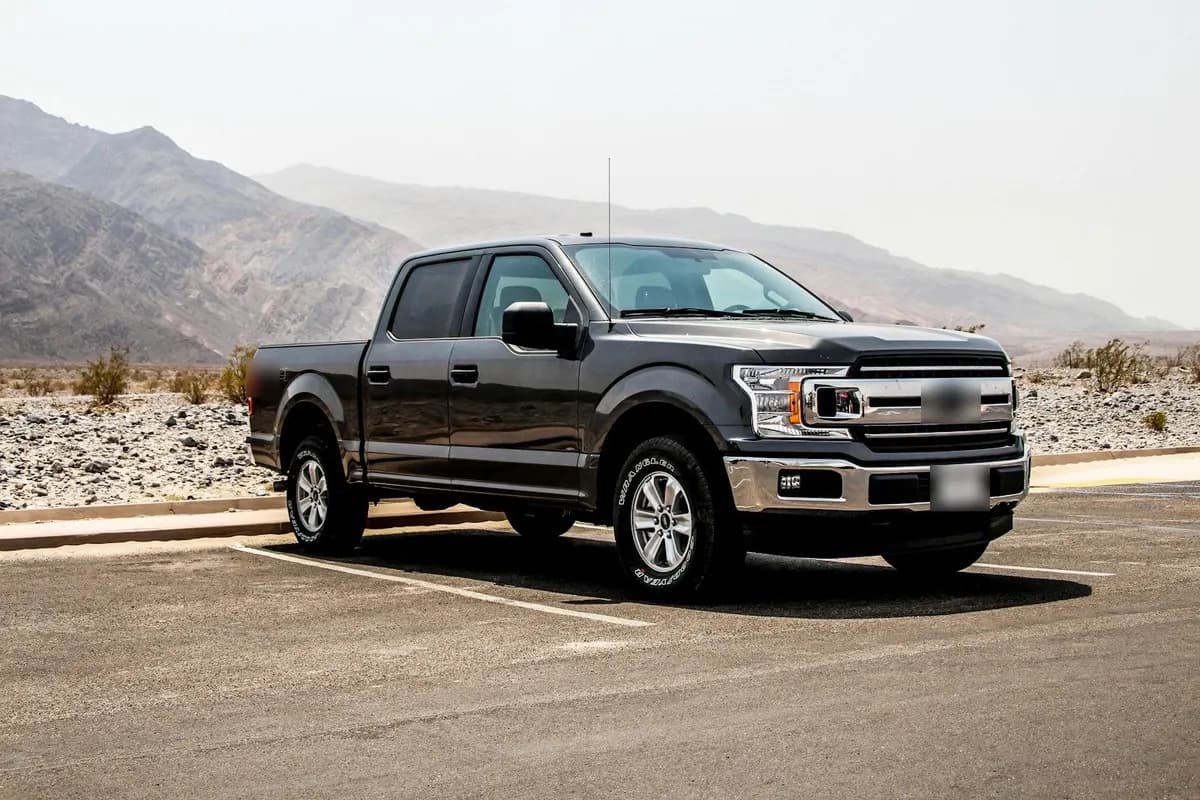
Pickup truck shipping starts where any car move does, but a crew cab takes more deck, weighs more and often wears a cap, rack or toolbox that brochure dimensions ignore. Genius Auto Trans arranges most trucks and SUVs on open auto transport, and the carrier plans each load by length, weight and height. Lifted, or on oversized tires? Start with our guide to measuring a lifted truck or oversized SUV.
Is pickup truck shipping different from shipping a car?
The steps match any car move; the difference is how much trailer your vehicle uses.
- Deck space: a long-bed crew cab takes room a carrier could give a smaller car.
- Weight: carriers balance axle loads, so a heavy truck may ride low.
- Height: a tall SUV or a capped pickup may not fit some upper-deck positions.
We do not sell a guaranteed deck position; carriers load for weight and delivery order.
Three terms recur. A broker arranges the move with an authorized motor carrier but does not haul it. The carrier is the licensed trucking company that hauls the vehicle and whose cargo insurance covers it. The bill of lading is the receipt and condition report signed at pickup and delivery.
Which pickups and SUVs fit a standard car carrier?
Most stock trucks and SUVs fit a standard open carrier. Exceptions come from rear width, real weight and anything bolted on top.
| Vehicle | Usually ships on | What the carrier checks | Tell us at quote |
|---|---|---|---|
| Midsize pickup or compact SUV | Standard open carrier | Length, roof or bed rack | Cab and bed length |
| Full-size half-ton pickup | Standard open carrier | Crew cab plus long bed length, height with a cap | Cab and bed, cap or tonneau |
| Full-size or three-row SUV | Standard open carrier | Height with roof rails or box | Roof accessories |
| Heavy-duty 3/4- or 1-ton pickup | Open carrier with weight planning, or a smaller trailer | Actual weight, length | Door-jamb label, hitch type |
| Dually (dual rear wheels) | Carrier confirmed for width and weight; sometimes a flatbed | Rear-fender width, weight | “Dually” and measured width |
| Jeep or removable-top off-roader | Standard open carrier | Top secured, bumpers, winch | Top type, tire size |
| Lifted truck or oversized tires | Equipment matched to size | Height, width, clearance | Full measurements |
The table is a guide, not a fit promise; carriers confirm fit against measured dimensions before dispatch.
How much does your truck weigh, and why does the carrier ask?
Weight decides where a truck sits on the trailer and which securement rule applies. Two numbers matter:
- Curb weight: what the vehicle weighs empty, with standard equipment and fluids.
- Gross vehicle weight rating (GVWR): the most the manufacturer says the loaded vehicle may weigh. Federal rules put it on the certification label at the driver's door hinge pillar, latch post or door edge (49 CFR 567.4).
For pickup truck shipping, send a photo of that door-jamb label plus the curb weight for your configuration; an empty bed keeps real weight close to curb.
Federal securement rules cover automobiles, light trucks and vans that individually weigh 10,000 lb or less: restrained front and rear with at least two tiedowns on mounting points designed for that purpose (49 CFR 393.128). Heavier units fall under 49 CFR 393.130. The test is actual weight, not the rating.
What should come out of the truck bed before pickup?
In pickup truck shipping, the open bed is the most exposed part of the truck, and the carrier's cargo insurance covers the vehicle, not what rides in it. Before pickup:
- Empty the bed: tools, coolers, parts and loose straps.
- Toolboxes: empty and lock them, or remove them.
- Tonneau covers: latch hard covers closed; tension or remove soft roll-up covers so they cannot loosen at speed.
- Caps: lock windows and the rear door, and include the cap in your height.
- Racks: remove them, or measure height with them on.
- Hitches: pull the ball mount or bike rack; it adds length. A fifth-wheel or gooseneck hitch can stay if declared.
Whether anything may stay in the cab is the assigned carrier's call, not a default. Our guide to leaving personal items in a car during transport explains why.
How do you ship a Jeep or an SUV with removable parts?
SUV shipping is usually simpler than pickup truck shipping because there is no open bed, but roofs and add-ons bring their own checklist. If you plan to ship a Jeep or another removable-top off-roader:
- Doors and hardtops: keep doors on and the hardtop latched and bolted per the owner's manual; loose panels in the cabin count as cargo.
- Soft tops: zip every window. A worn soft top can tear at highway speed, so consider enclosed transport if it is fragile.
- Spare carriers, winches and bumpers: they change length and approach angle, so list them.
- Roof boxes and rooftop tents: remove what you can; measure what stays.
Take dated photos of every side and the roof before pickup.
What details does a pickup truck shipping quote need?
Send these with your request:
- Year, make, model, cab style and bed length, or SUV trim.
- Dual rear wheels, a lift, larger tires or other modifications.
- Measured length, widest width (mirrors or dually fenders) and height as it sits.
- A door-jamb label photo, curb weight and any cap, rack, toolbox or hitch that stays on.
- Running condition: does it start, roll, steer and brake?
- City and ZIP at both ends, the earliest pickup date and how flexible it is.
Genius Auto Trans, a licensed auto transport broker, USDOT 3674601 / MC 1274912, Manassas, Virginia, matches each truck to a carrier with active authority and the right equipment. Our step-by-step booking and inspection process shows where the bill of lading fits.
Three pickup truck shipping planning examples
These are planning scenarios, not customer stories, prices, transit estimates or guarantees.
Texas to Colorado: a heavy-duty pickup with a cap
A Houston-area owner ships a three-quarter-ton diesel crew cab with a fiberglass cap. They photograph the door-jamb label, measure height with the cap on, empty the bed and pull the ball mount. See the Texas to Colorado route page.
Virginia to Florida: a three-row SUV with a roof box
A Northern Virginia family removes the roof box and clears the third-row cargo area, so the SUV is quoted at factory roof height. See the Virginia to Florida car shipping route.
Michigan to Arizona: a soft-top Jeep in January
A soft-top Jeep leaves Michigan in midwinter. The owner keeps the doors on, zips every window and accepts road grime on open transport.
Frequently asked questions
Can a dually pickup ship on an open car carrier?
Often, but not on every trailer. Dual rear wheels make a truck wider and heavier at the rear, so the carrier confirms deck width and weight first. Put “dually” in the vehicle details and send the measured width; some moves go on a flatbed.
Can I leave things in my pickup truck bed during shipping?
Plan on an empty bed. A carrier's cargo insurance covers the truck, not loose contents, and items in an open bed can shift or blow out. Remove tools and gear, empty toolboxes, and ask before booking if anything must stay; the carrier's written terms decide.
Does SUV shipping cost more than shipping a sedan?
Usually somewhat, because a larger, heavier vehicle uses more of the carrier's deck space and weight capacity. How much depends on route, season, transport type and actual size, so Genius Auto Trans quotes each shipment instead of publishing a rate card.
Can you ship a Jeep with the top or doors off?
It is safer to transport a Jeep with the doors installed and the top latched or bolted per the owner's manual. Parts left loose in the cabin count as cargo and are not covered by the carrier's insurance. If it must ship topless, say so at quote stage.
Does Genius Auto Trans ship pickup trucks to Alaska, Hawaii or overseas?
No. Genius Auto Trans arranges pickup truck shipping and SUV transport within the 48 contiguous states and Washington, DC only. We do not arrange shipments to or from Alaska or Hawaii, or any international or overseas moves. Within that area, most stock trucks move door to door.
Plan your truck or SUV move
Send the cab and bed setup, measured height, door-jamb label and both ZIP codes, and we will quote your pickup truck shipping, not a rate card. Pickup and delivery dates are estimates, not guarantees. We serve the 48 contiguous states and Washington, DC; no Alaska, Hawaii or international shipments. Call (800) 780-1113, 24/7.
Request my pickup truck shipping quote →Planning sources
- eCFR — 49 CFR 567.4, Certification label requirements (GVWR and GAWR location)
- eCFR — 49 CFR 393.128, Securement of automobiles, light trucks and vans
- eCFR — 49 CFR 393.130, Securement of heavy vehicles, equipment and machinery
- FHWA Office of Operations — Freight Management: Size and weight overview (height, width, length)