CAR SHIPPING GUIDE ·
Open vs. Enclosed Auto Transport: Which Should You Choose?
By Genius Auto Trans
Choosing a carrier starts with a simple question: how much protection does your particular vehicle need during the trip? Your budget matters, but so do the vehicle’s finish, ground clearance, condition and pickup flexibility.
The quick answer: Open transport is a practical starting point for most everyday vehicles. Enclosed transport adds shelter from weather and road debris and deserves a closer look for collectible, specialty or freshly restored cars. Compare both options for your actual route before deciding.
Open and enclosed transport at a glance
| Consideration | Open transport | Enclosed transport |
|---|---|---|
| Exposure | Vehicle travels on an open trailer, exposed to weather and road conditions. | Vehicle travels inside a trailer that provides additional shelter. |
| Cost | Usually the more economical option. | Usually costs more; request a route-specific quote. |
| Availability | A larger carrier pool can offer more scheduling choices. | A smaller carrier pool can require more pickup flexibility. |
| Typical fit | Daily drivers and standard vehicles. | Collectible, specialty or freshly restored vehicles. |
| Loading | Confirm equipment suits the vehicle. | Confirm ramp angle or liftgate availability; enclosure alone does not establish suitability. |
When open transport makes sense
If you are relocating with a daily driver, sending a family car to a student or buying a standard used vehicle, open transport is a sensible option to price first. It keeps the focus on moving the vehicle while avoiding the additional cost of an enclosed trailer.
The tradeoff is exposure. Your car may arrive with dust or road grime, and it remains exposed to rain and other weather during the journey. If your vehicle normally lives outdoors and you are comfortable with that exposure, open shipping may suit your priorities.
For example, someone moving a regularly driven sedan between homes might put more weight on price and pickup flexibility than on keeping the exterior sheltered. That is a planning example, not a promise of availability on every route.
When enclosed transport deserves a closer look
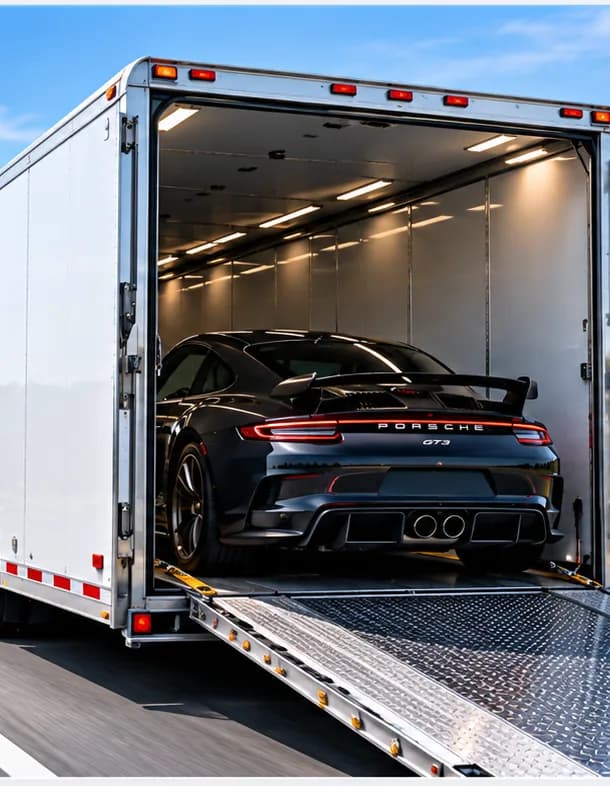
Enclosed transport is worth discussing when preserving the vehicle’s exterior is a high priority. A restored classic, a car with a delicate custom finish or a collectible headed to an event may justify the added expense.
Think beyond the purchase price. Replacing an unusual body panel or repairing a specialist paint finish can be inconvenient even on a car that is not especially expensive. Explain those concerns when requesting a quote so the transport recommendation reflects the actual vehicle.
Low ground clearance needs its own conversation. Do not assume that every enclosed carrier has a liftgate or that every ramp will suit your car. Share clearance details, modifications and whether the vehicle starts, steers and brakes, then ask which loading equipment will be used.
Compare quotes on equal terms
There is no single price difference that applies to every shipment. Route, season, vehicle size, operating condition and carrier availability can change the comparison. Request open and enclosed quotes using the same pickup and delivery locations, vehicle details and date window.
Ask what is included in each total and what circumstances could change it. If you need delivery for a specific event, explain that before booking and ask how the proposed schedule will be confirmed. A trailer choice by itself does not guarantee an arrival date.
Also confirm where the truck can safely stop. Narrow streets, low branches and limited turning space can affect pickup or delivery access with either option. Agree on an accessible meeting point if the address cannot accommodate the equipment.
Five questions to ask before booking
- Which trailer and loading equipment are proposed for my vehicle?
- What pickup window is available, and how are schedule changes communicated?
- What does the quoted total include, and when is payment due?
- Who will carry the vehicle, and what insurance terms, limits, exclusions and claims process apply?
- How will vehicle condition be documented at pickup and delivery?
Enclosure describes the trailer, not the insurance policy. Review the actual carrier’s coverage information and transport agreement rather than treating “enclosed” as a guarantee against every kind of damage.
Frequently asked questions
Does every luxury car need enclosed transport?
No single label makes the decision for you. Consider the finish, clearance, condition, your tolerance for exposure and the quote difference. Tell the transport team about any special requirements.
Is enclosed transport always faster?
No. Scheduling depends on the route, available equipment and pickup window. Ask for current options instead of assuming a higher transport price means an earlier arrival.
Can a non-running vehicle use either option?
Possibly, but the assigned carrier must have suitable equipment. Disclose the vehicle’s condition before booking, including whether it rolls, steers and brakes. Ask for confirmation that loading and unloading are included in the quote.
How should I prepare the car?
Preparation matters with either trailer type. Read our car shipping preparation checklist for practical steps covering photos, belongings and vehicle inspections.