
COST & TIMING ·
How Long Does It Take to Ship a Car? Pickup Window vs Transit Time
By Genius Auto Trans · 7 minute read
The short answer: How long does it take to ship a car? Two clocks run back to back: the pickup window, while a carrier is assigned and routed to you, then transit at roughly 400–500 loaded miles a day under federal driver-hour limits. Our route estimates run from 1–2 days on short lanes to 8–12 days coast to coast—estimates, not guarantees.
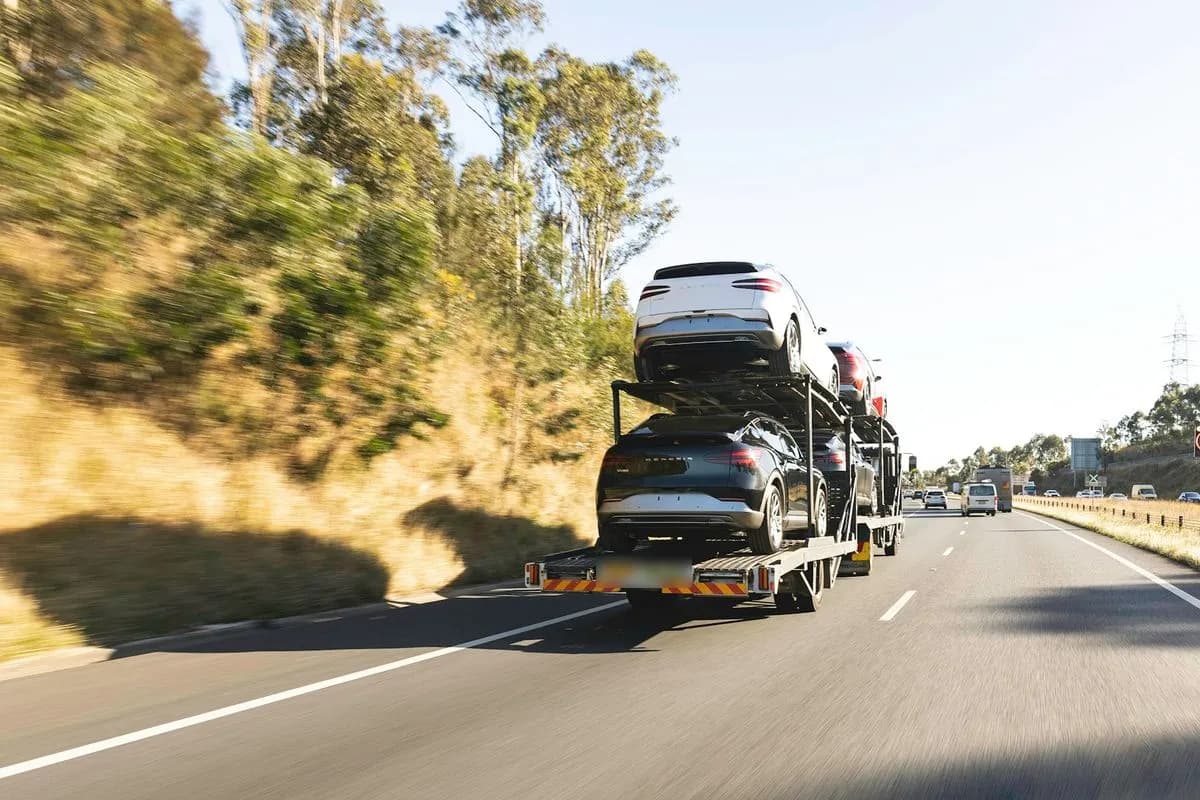
How long does it take to ship a car, from booking to delivery?
Most quotes blur two waits into one number, which is why "how long does it take to ship a car" rarely gets a straight answer. Whether your car rides on an open carrier with eight to ten other vehicles or in an enclosed trailer, the timeline has four stages:
- Quote and booking. You give the vehicle, both ZIP codes, running condition and your first available date.
- Carrier assignment and the pickup window. A pickup window is the range of days in which the assigned carrier expects to collect your car; it is a range because the driver is routing several vehicles along one corridor. See how carrier assignment works.
- Transit. Transit time is the period from the driver signing the bill of lading at pickup to arriving at your delivery address. A bill of lading is the inspection record and receipt you and the driver sign at both ends.
- Delivery notice. The carrier calls 3 to 24 hours before arrival so someone can meet the truck and inspect the car.
Distance controls only transit. The other stages depend on carrier supply, your flexibility and access at both ends.
Genius Auto Trans, a licensed auto transport broker (USDOT 3674601 / MC 1274912, Manassas, Virginia), arranges each shipment with an independent carrier and gives you a pickup window and an estimated delivery—never a guaranteed date.
How long is car shipping transit by distance?
To answer how long does it take to ship a car over a given distance, start with our state-to-state route pages. They publish planning bands built from estimated road miles and a typical carrier pace of 400–500 loaded miles a day—sizing for transit, not a delivery date.
| Lane (route page) | Estimated road miles | Published planning band | What usually stretches it |
|---|---|---|---|
| Delaware to New York | ~235 | 1–2 days | Pickup and delivery access on dense city streets |
| Florida to Georgia | ~395 | 2–3 days | Northbound spring demand from returning snowbirds |
| New York to Florida | ~1,195 | 4–6 days | Southbound snowbird peak in October–November |
| Maryland to Texas | ~1,525 | 5–8 days | Peak-season demand in May–June |
| Maryland to Utah | ~2,190 | 7–10 days | Winter weather on mountain interstates |
| Virginia to California | ~2,640 | 8–12 days | Winter weather plus weekly driver-hour limits on a long haul |
Miles and bands as published on Genius Auto Trans route pages. Planning estimates, not delivery dates.
No fee changes those limits, so question any quote that promises a coast-to-coast trip in a couple of days.
What makes the pickup window longer or shorter?
This is the stage you can influence. A carrier takes your car when it fits a route the driver is already running, so anything that makes it easier to fit shortens the wait:
- Lane density. Busy metro-to-metro corridors see more trucks than rural pickups.
- Equipment. Enclosed trailers, winch trucks for non-running cars and oversize setups are scarcer than open carriers, so they take longer to source.
- Flexibility. A wide window lets more carriers fit you in than a single fixed date.
- Season. Demand peaks in May–June, southbound in October–November, northbound in spring and near campuses in late summer.
- Access. A street a 75–80-foot hauler can reach, or a meeting point agreed before dispatch, avoids a failed attempt.
- Accurate details. An unmentioned lift kit or a car that won't start can mean the wrong truck arrives and the clock restarts.
How far in advance to book car shipping?
Book as soon as you can name two dates: the first day the car is ready and the latest pickup day that still works. No single lead time fits every shipment, but book earlier for peak months and directions; enclosed, non-running, lowered or oversize vehicles; rural addresses; and fixed deadlines such as a report date or lease end.
Booking earlier does not shorten transit; it gives carriers more chances to plan your car into a route before your window opens. For a household move, decide whether to ship before or after moving day first, then pick dates. Our car shipping FAQ lists what to have ready when you call.
Does expedited shipping make car transport faster?
Expedited service raises what the carrier is paid so your car becomes the load a driver takes first. It shortens the wait for pickup, not the drive: once loaded, distance and driver-hour rules set transit. On dense corridors a standard booking is often collected quickly anyway, and open carriers are usually faster to source than enclosed ones.
For a hard date, compare expedited pickup with simply widening your window, and read what expedited can and can't promise before paying for priority.
What can delay delivery after pickup?
After loading, estimates usually move for three reasons:
- Other stops on the load. A multi-car hauler picks up and delivers in sequence, so your car's place on the route matters.
- Weather. The Federal Highway Administration reports that light rain or snow can cut average freeway speeds by 3 to 13 percent and heavy snow by 5 to 40 percent (FHWA). High winds can close routes to large trucks.
- Weekly driver-hour limits. A driver who reaches the 60- or 70-hour cap cannot drive again until hours roll off or a 34-hour off-duty restart is taken.
So the honest answer to how long does it take to ship a car is a band plus a buffer. Don't set a non-refundable flight or lease end on the band's last day; the carrier's 3–24 hour call is the reliable final signal.
Three timing planning examples
These are planning scenarios, not customer stories, prices, transit estimates or guarantees.
Virginia to California, a relocation sedan in January
About 2,640 estimated road miles; the route page plans 8–12 days. The owner keeps a rental car through the end of the band and expects possible weather holds on mountain interstates.
Maryland to Texas, an enclosed classic in June
About 1,525 miles and a 5–8 day band, but enclosed equipment in peak season is the bottleneck, so the owner books early and offers the widest window possible.
New York to Florida, a snowbird SUV in early November
About 1,195 miles and a 4–6 day band, at the southbound peak. The owner books early and names a backup person to receive the car.
Genius Auto Trans arranges shipments within the 48 contiguous states and Washington, DC—no Alaska, Hawaii or international moves.
Car shipping time FAQ
How long does it take to ship a car across the country?
A coast-to-coast lane such as Virginia to California covers about 2,640 estimated road miles, and our route page publishes an 8–12 day planning band. That reflects roughly 400–500 loaded miles a day under federal hours-of-service limits plus stops for other vehicles on the load. Weather can move it, so treat it as an estimate.
How far in advance should I book car shipping?
Book as soon as you know the first day the car is ready and the latest pickup day that works. Book earlier in May–June, on southbound lanes in October–November, for enclosed or non-running vehicles, and for rural addresses. Early booking does not shorten transit; it gives carriers more chances to fit your car into a planned route.
Does the transit time start when I book?
No. Transit starts when the driver loads your car and you both sign the bill of lading at pickup. Before that comes the pickup window, the range of days in which the assigned carrier expects to collect the car. The total time from booking to delivery is the pickup window plus transit.
Can a car shipping company guarantee my delivery date?
Treat any guaranteed date with caution. Weather, other stops on the load and federal driver-hour limits are outside anyone's control. Genius Auto Trans gives a pickup window and an estimated delivery, never a guaranteed date, and the carrier calls 3 to 24 hours before arrival. Expedited service buys pickup priority, not a faster drive.
Does enclosed auto transport take longer than open?
Usually the wait for pickup is longer, because enclosed trailers are far fewer than open carriers and often run set routes. Once your car is loaded, the drive is governed by the same hours-of-service limits, so transit pace is broadly similar. Booking earlier and giving a wider window helps most with enclosed shipments.
Want a realistic pickup window for your dates?
Tell us the vehicle, both ZIP codes, your first ready date and latest workable pickup date. We'll quote the shipment with a pickup window and an estimated delivery, and say plainly if expedited won't help on your lane. Or call (800) 780-1113—answered 24/7.
Request my car shipping quote →