
ELECTRIC VEHICLES ·
Electric Car Shipping: A Battery, Keys and Pickup Checklist
Before shipping an electric car, work through three practical questions: can the driver access it, can it be loaded using the manufacturer's approved method, and will it be ready to drive away at delivery? Getting those answers before pickup helps your coordinator match the vehicle with suitable equipment and avoids an improvised handoff.
This checklist is for planning road transport of a passenger EV. The vehicle's current manual and the assigned carrier's confirmed requirements should guide the actual shipment.
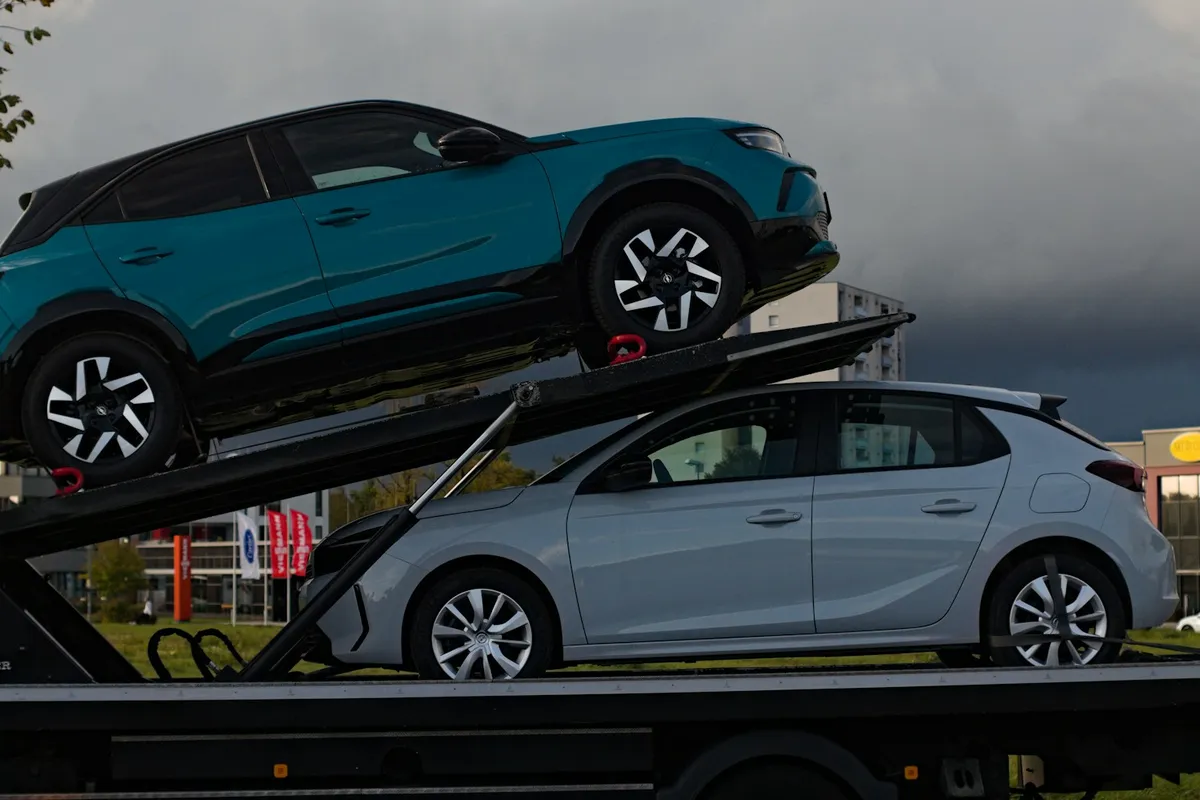
1. Describe the exact EV and its condition
Give the coordinator more than the brand name. Include the model year, trim, drivetrain if known, and any modifications that affect dimensions or clearance. Mention lowered suspension, aftermarket wheels, roof accessories and unusually low front or rear bodywork.
Describe what the vehicle can actually do: does it unlock, power on, select a drive gear, steer and brake? If it is at a dealer or auction, ask the releasing party to confirm those details. A listing marked “electric” or “runs” leaves important loading questions unanswered.
Request a written quote using that information. Our car shipping cost guide explains the route, vehicle and scheduling details to compare between quotes.
2. Agree on battery readiness before pickup
Ask for the carrier's required pickup charge level and check it against the manufacturer's guidance for your specific vehicle. Do not substitute a percentage copied from another EV owner's shipment. NHTSA advises following the owner's manual for charging and notes that temperature management can use battery energy. Read NHTSA's EV guidance.
Plan usable charge for loading, unloading and reaching a suitable charger after delivery. Ask whether charging is available during any planned storage or transfer, who would arrange it and whether it has a separate cost. Do not assume charging is included in a transport quote.
On pickup day, photograph the displayed charge and any existing warnings. Tell the coordinator about a low-voltage battery problem or an intermittent starting issue even if the main battery shows charge. Have a qualified service provider assess problems before the shipment.
3. Share the model-specific loading instructions
Send the carrier the towing or transport section of the current manual for your model and year. NHTSA warns that towing an EV with its driven wheels turning on the road can damage it. The correct equipment and loading procedure need to be confirmed for the actual vehicle.
For example, Tesla's 2017–2023 Model 3 transport instructions require all four wheels off the ground during transport and distinguish limited loading movement in Tow Mode from road towing. Those instructions also describe key and low-voltage power requirements. This is a model-specific example, not a procedure for every electric car.
Let the trained carrier handle loading, securement and any required mode changes under the manufacturer's instructions. Do not leave an unattended vehicle free to roll while waiting for pickup. If a screen, key or power fault prevents the prescribed procedure, flag it before the truck arrives.
4. Make the key handoff work without your phone
Agree on a working access method at both ends. Where the vehicle supports one, prepare a key card or fob and demonstrate how it unlocks and starts the car. Check whether any owner-controlled restrictions will prevent the driver from moving it, and discuss a manufacturer-supported solution in advance.
There is no need to hand over your primary vehicle-account password. Ask what access the driver actually needs. Keep a record of keys and approved accessories handed over, and confirm whether the carrier allows the charging cable or adapters to remain in the vehicle and how they should be secured.
5. Choose equipment around the whole vehicle
Compare open transport and enclosed transport for your budget, exposure preferences and vehicle value. Then confirm the carrier can accommodate your exact EV's size, weight, clearance and manufacturer requirements.
A roof over the trailer does not answer every loading question. Ask about ramp clearance for a low car and appropriate equipment if the vehicle cannot move under its own power. Get any special handling requirements included in the booking details.
6. Treat battery damage as a separate safety issue
If the vehicle has flood exposure, collision damage or a suspected battery fault, stop ordinary pickup planning and contact the manufacturer or a qualified EV service provider. NHTSA warns that damaged high-voltage components can present shock and fire hazards, including delayed fire. Do not touch exposed components or attempt battery repairs. If there is smoke, fire or another immediate emergency, move away and call 911. See NHTSA's damaged-EV precautions.
Tell the coordinator what happened and obtain a specific handling plan before any carrier assignment. Ask which recovery or transport service is appropriate for the assessed condition.
7. Plan a careful delivery check
Arrange for a receiving contact who knows the access method and can meet the driver. Compare the exterior, wheels and glass with pickup photographs, note newly observed damage on the delivery paperwork before signing, and keep a copy. Check the keys, displayed charge and warning messages before planning your next drive.
Have a nearby compatible charging option in mind. If a new warning or operating problem appears, document it, notify the carrier and coordinator promptly, and seek qualified guidance before driving. For the broader handoff checklist, see how to prepare your car for auto transport.
Quick questions to send your coordinator
- Has the carrier confirmed it can transport this exact model and condition?
- What charge level and working access method are required at pickup?
- Has the carrier reviewed the manufacturer's loading instructions?
- Are charging, storage or extra handling included, excluded or separately priced?
- Who will inspect and receive the vehicle if my travel plans change?
Frequently asked questions
How much charge should my EV have at pickup?
Ask the assigned carrier for its written requirement and check it against the manufacturer's guidance for your exact vehicle. Plan enough usable charge for both handoffs and your trip to a charger after delivery; do not assume a percentage from another shipment applies.
Can I leave the driver with only a phone key?
Agree on access before pickup. A working manufacturer-supported key card or fob, where available, can make the handoff simpler. Confirm the driver can unlock and move the vehicle without your phone being present.
Should I activate Tow Mode before the truck arrives?
Do not leave the vehicle in a free-rolling mode in advance. Have the carrier follow the current manual for your model at loading. A mode intended for limited loading movement does not authorize long-distance towing with wheels on the road.
What if my electric car does not power on?
Report that before a carrier is assigned. Explain whether the doors open, the wheels roll and the steering and brakes work. Ask your manufacturer or qualified service provider to assess the fault; the transport coordinator must confirm suitable equipment and acceptance.
Plan your electric car shipment
Send Genius Auto Trans your route, EV details, ready date and any condition concerns. Our team can review the shipment requirements and discuss suitable transport options. Confirm carrier acceptance and the written booking details before arranging either handoff.
Request a vehicle shipping quote →Reviewed October 14, 2026. Manufacturer instructions vary by vehicle and can change. This planning guide does not replace your owner's manual or professional recovery and loading procedures.